 ES
ES  EN
EN  JP
JP  DE
DE  KR
KR  RU
RU  FR
FR 
What Is Polystyrene Sulfonic Acid (PSS)? Properties, Uses and Applications
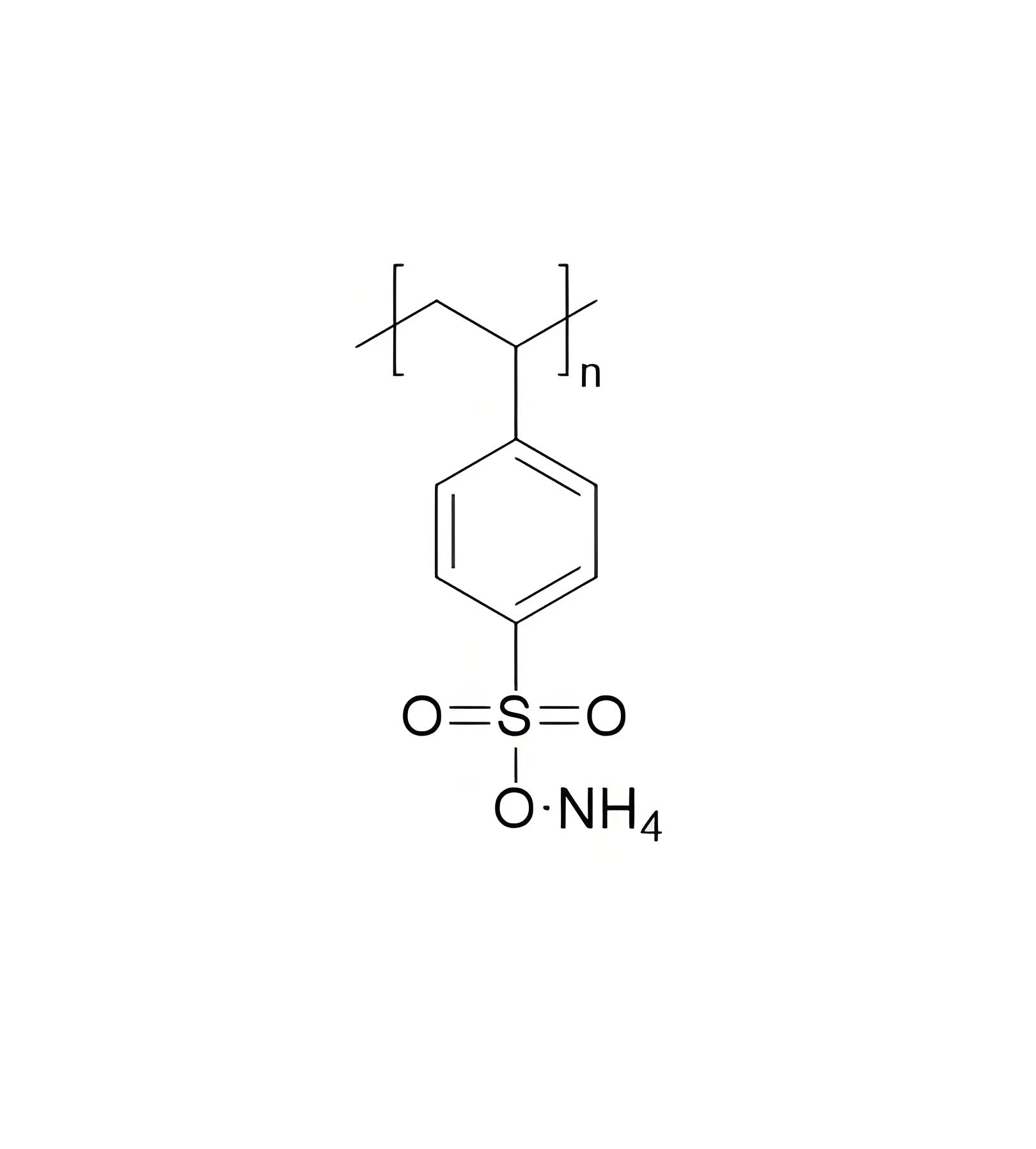
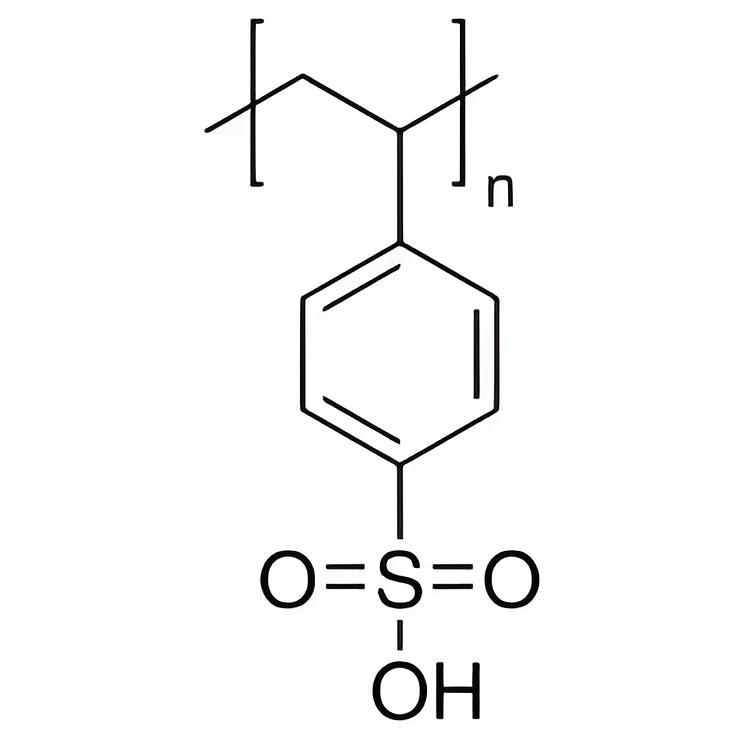
Polystyrene Sulfonic Acid (PSS, CAS No. 28210-41-5) is an anionic water-soluble polyelectrolyte, typically supplied as a pale yellow to yellow aqueous solution. It offers good water solubility, ionic properties, and film-forming performance.
Thanks to these characteristics, PSS is used in PEDOT:PSS conductive polymer systems, OLEDs, perovskite optoelectronic devices, antistatic coatings, flexible electronics, sensors, and electronic components. It is also an important raw material for advanced electronic materials and functional coatings.

1. What Are the Key Properties of Polystyrene Sulfonic Acid (PSS)?
The molecular structure of PSS contains sulfonic acid groups, which give the polymer its excellent water solubility and polyelectrolyte properties. PSS is compatible with aqueous processing and, depending on the formulation, can be used in coating and deposition processes such as blade coating, spin coating, spray coating, and inkjet printing.
For electronic and optoelectronic applications, performance depends not only on the basic properties of PSS but also on key specifications such as molecular weight, solids content, metal ion content, and batch-to-batch consistency.
Therefore, the appropriate PSS grade should be selected according to the requirements of the specific downstream application.
2. Applications of PSS in PEDOT:PSS and Optoelectronic Materials
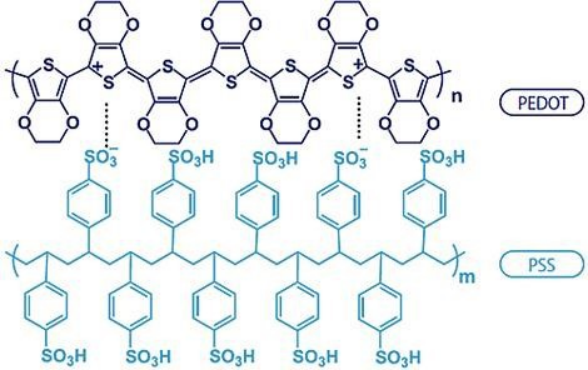
One of the most important applications of PSS is as a key component of PEDOT:PSS conductive polymer systems.
In PEDOT:PSS, PSS helps form a stable aqueous dispersion and influences dispersion stability, film formation, and interfacial properties. PEDOT:PSS is widely studied and used in OLEDs, perovskite solar cells, organic photovoltaics, flexible electronics, and other optoelectronic devices.
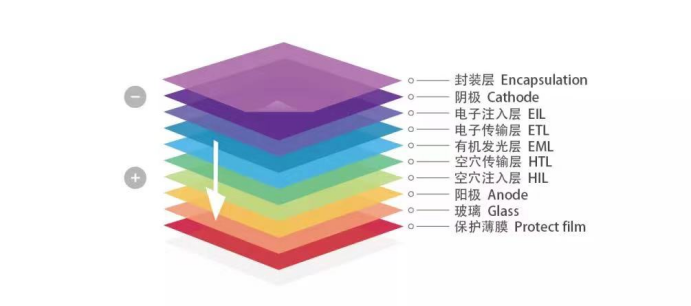
In OLEDs and certain other optoelectronic devices, PEDOT:PSS can be used as a hole injection layer (HIL) or in related functional layers to improve interfacial properties and facilitate charge transport.
With appropriate formulation and process optimization, PEDOT:PSS can also be processed into transparent conductive films, providing material solutions for flexible displays, flexible photovoltaics, and lightweight, bendable electronic devices.
3. Applications of PSS in Antistatic Coatings
PSS and PSS-based conductive composite systems can also be used in the development of antistatic functional materials and coatings.
Through appropriate formulation with other functional materials, these systems can form uniform functional films on PET films, electronic substrates, and electronic component packaging materials, helping reduce the accumulation of static electricity on material surfaces.
Typical applications include PET antistatic films, electronic packaging materials, precision electronic component protection, and functional coatings for the electronics and optoelectronics industries.
Actual conductivity, surface resistance, adhesion, durability, and environmental stability depend on the selected PSS grade, composite formulation, additives, substrate, and coating process.
4. Applications of PSS in Flexible Electronics and Sensors
With the continued development of flexible electronics and wearable devices, PSS and conductive polymer systems such as PEDOT:PSS have become increasingly important functional materials.
PEDOT:PSS combines electronic transport with ion-interaction characteristics, making it suitable for applications in flexible sensors, organic electrochemical transistors (OECTs), bioelectronics, and other flexible electronic devices.
In sensing applications, related materials can be used to fabricate functional layers for detecting strain, pressure, and certain physiological signals.
PEDOT:PSS is also commonly investigated and used as a channel material in organic electrochemical transistors due to its mixed ionic-electronic conduction characteristics.
Conductive polymers are also used in electronic components such as solid aluminum electrolytic capacitors, where material purity, ionic impurity control, and batch consistency are particularly important.
5. How to Select the Right PSS Grade
The required specifications of PSS vary depending on the intended application.
For example, PEDOT:PSS and advanced electronic material applications may place greater emphasis on molecular weight, metal ion content, purity, and batch-to-batch consistency. Coating applications may additionally require careful consideration of solids content, film-forming properties, and compatibility with other formulation components.
When sourcing PSS, it is therefore important to evaluate not only price but also key parameters such as:
Molecular weight, solids content, metal ion content, batch-to-batch consistency, and availability of technical documentation.
Changsha Yuteng New Materials Co., Ltd. supplies Polystyrene Sulfonic Acid (PSS) for a variety of applications and supports customization of key specifications, including molecular weight, solids content, and metal ion content.
Our production is managed under an ISO 9001:2015 certified quality management system, with batch traceability and supporting technical documentation such as COA, TDS, MSDS/SDS, and stability data available according to product and project requirements.
We support customers throughout different stages of development, from laboratory evaluation and small-batch validation to commercial-scale production, providing reliable PSS material solutions for PEDOT:PSS, optoelectronic materials, antistatic coatings, flexible electronics, and related electronic material applications.
For PSS specifications, samples, technical data, or customized requirements, please contact Changsha Yuteng New Materials Co. for further information.